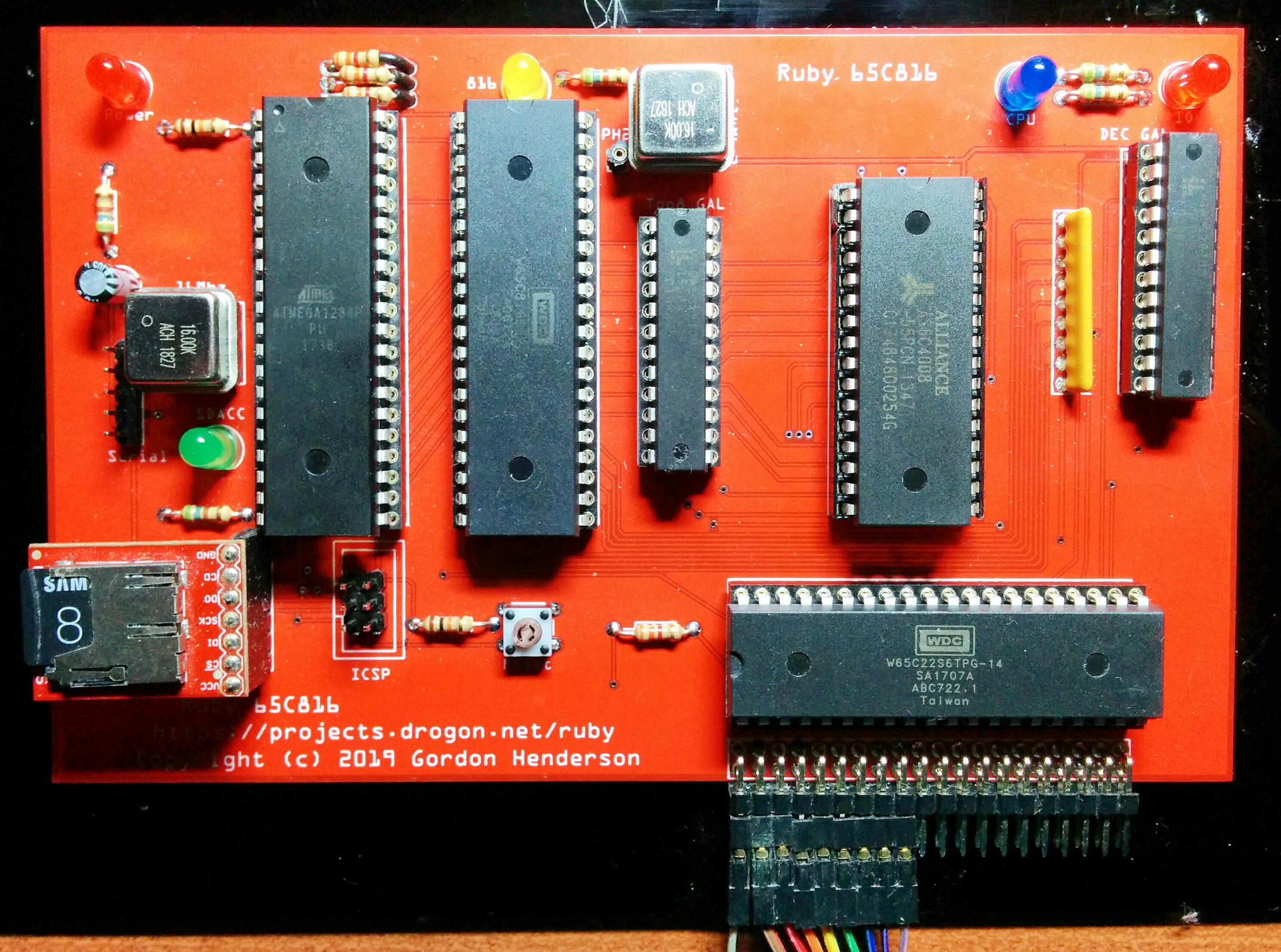
Ok, this is what i currently got for the Schematic.
there are barely any wires because i used Net's for basically everything.
PIC (posting as a Link because of the image's size. gotta love 4k Monitors)
it should have everything on it but i'm sure i missed something.
U0 -> 65C02 CPU
U1/2 -> GAL22V10 (i used a ATF22V10 for the symbol/footprint but they are pin compatible so it shouldn't matter)
U3 -> SN74HC541 Tri-State Buffer (used as the "STATUS" IO Device which allows the CPU to check if any data came in through USB and if data can be send)
U4 -> FT240X USB Interface
U5 -> 512kB FLASH Chip (8kB used, rest of Address lines are directly connected to GND)
U6/7 -> 32kB SRAM Chips
S0 -> Push button for Reset
J0 -> USB-B Connector (i like USB-B, it's TH instead of SMD like some Micro-USB connectors and is very durable)
J1 -> 32pin Pin Header (connects to a lot of important CPU Pins, can be used to hook up anything to the Computer, maybe i'll add more pins to allow RAM/ROM to be turned off so that additional Memory/ROMs can be added)
X0 -> 10MHz Clock Oscillator (i just choose a random one that had "14pin DIP" in the description)
RN0 -> 9pin Resistor Array (not sure if this is a good idea compared to regular resistors, one the one hand it'S more compact and easier to solder, on the other it would mean the PCB would need to route all of those connections to a single location instead of the Resistor being close to where it's needed)
R0 -> 4.7kΩ
R1/2 -> 27Ω (the FT240X datasheet had these resistors between the USB connector and the Chip)
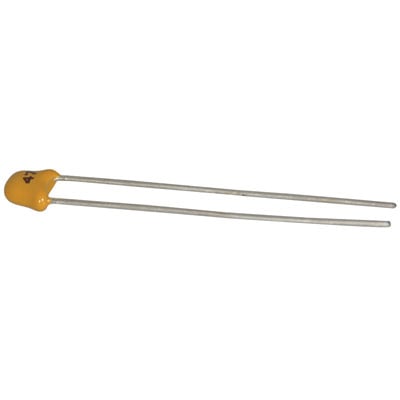
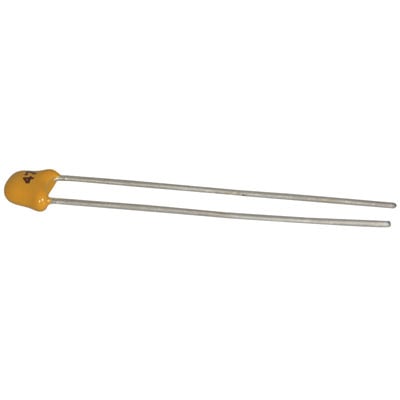
C0 -> 22pF
C1/2 -> 47pF (same as with R1/2, the datasheet had 2 bipolar capacitors to ground for the data wires)
C3 -> 100uF (saw online that there should be an Electrolytic Capacitor close to the power input, in this case the USB Connector)
C4 -> Debounce capacitor for the Reset button
C5-12 -> 0.1uF (bypass capacitors for each IC, on the actual PCB they will be placed closer to each IC)
Hope this helps to explain the design and makes it easier to find mistakes and similar.
also note that with the exception of U6/7 (the RAM) all symbols were either included in KiCad or downloaded from Mouser