

hi all, can anyone help me to find out the original figforth implementation?
i'm not search a port on 6502 but the original one.
tnx!
looking for original fig-forht
-
Wally Daniels
- Posts: 53
- Joined: 30 Aug 2002
- Location: Windsor Forks, N.S. Canada
Re: looking for original fig-forht
ptorric wrote:
hi all, can anyone help me to find out the original figforth implementation?
i'm not search a port on 6502 but the original one.
tnx!
i'm not search a port on 6502 but the original one.
tnx!
Well, the 6502 implementation was one of if not 'the' original
implementation. If in fact you are looking for the original fig 6502
port, I can help you. I transcribed it to a file a long time ago, but still
have it tucked away. Please email me privately if you want a copy.
Best Wishes, Wally
Re: looking for original fig-forht
Hello people,
I think tho first fig forth was for the 8080.
But I like the 6502 CPU better.
Hey does Wally have that transcription of the 6502 fig forth yet?
Reminds me of one time I typed in the 8k or 4k monitor listing from a somewhat poor
pdf for a MAC8 Western Electric Processor Trainer unit.
That was a weird thing.
I had bought a few of them on ebay that had been modified for a special purpose
and the ROMs changed too.
They had some 8255s and LED display with a hex keypad.
I had to find all the typos and figure out the blurry print in the pdf to get it to work.
But I am wondering if anyone has the manual for the Panasinic and other three brands of "HHC Snap SDT" which was a programming tool kit with an emulator that ran on an Apple II
It was based somewhat on Forth as the OS for the little hand held computers.
There was also A SnapForth and SnapBasic that ran in a 16 k 24 pin ROM.
They were compilers unlike the MSbasic that ran in 8k of ROM.
I think the SDT ran off of a floppy disk.
The other two SnapBasic and SnapForth had two manuals each Tutorial and Reference.
I believe the Snap OS was written by Henry Laxen of Forth fig or 79 83 era.
There are supposed to be some of the SnapForth commands built into the OS but there
is not much documentation around for that.
There is getting to be less and less support/information left for them.
I guess I should have mentioned they have a NMOS 6502 in them.
There is a strange power saving scheme where the CPU and ROM power is switched off
and on by the display chip but the RAM remains powered to keep the program info.
I think there are routines to keep the CPU from getting lost but I haven't figured them out
yet.
I better stop for now this may be a little too much for this topic.
Thank you
CY
I think tho first fig forth was for the 8080.
But I like the 6502 CPU better.
Hey does Wally have that transcription of the 6502 fig forth yet?
Reminds me of one time I typed in the 8k or 4k monitor listing from a somewhat poor
pdf for a MAC8 Western Electric Processor Trainer unit.
That was a weird thing.
I had bought a few of them on ebay that had been modified for a special purpose
and the ROMs changed too.
They had some 8255s and LED display with a hex keypad.
I had to find all the typos and figure out the blurry print in the pdf to get it to work.
But I am wondering if anyone has the manual for the Panasinic and other three brands of "HHC Snap SDT" which was a programming tool kit with an emulator that ran on an Apple II
It was based somewhat on Forth as the OS for the little hand held computers.
There was also A SnapForth and SnapBasic that ran in a 16 k 24 pin ROM.
They were compilers unlike the MSbasic that ran in 8k of ROM.
I think the SDT ran off of a floppy disk.
The other two SnapBasic and SnapForth had two manuals each Tutorial and Reference.
I believe the Snap OS was written by Henry Laxen of Forth fig or 79 83 era.
There are supposed to be some of the SnapForth commands built into the OS but there
is not much documentation around for that.
There is getting to be less and less support/information left for them.
I guess I should have mentioned they have a NMOS 6502 in them.
There is a strange power saving scheme where the CPU and ROM power is switched off
and on by the display chip but the RAM remains powered to keep the program info.
I think there are routines to keep the CPU from getting lost but I haven't figured them out
yet.
I better stop for now this may be a little too much for this topic.
Thank you
CY
-
GARTHWILSON

- Forum Moderator
- Posts: 8773
- Joined: 30 Aug 2002
- Location: Southern California
- Contact:
Re: looking for original fig-forth
cyz wrote:
Hey does Wally have that transcription of the 6502 fig forth yet?
One thing I have on my list of things to put on my website is to clean up and publish my 65c02 Forth and '816 Forth, which will take a ton of work, especially the '02 Forth. They have a ton of powerful features that weren't on public-domain Forths. I've had this pipe dream of porting it to an available board like one of Daryl's so the beginner has something that works right out of the box.
Quote:
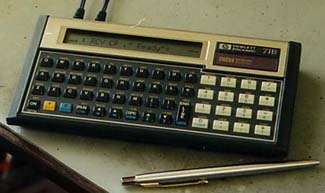
It was based somewhat on Forth as the OS for the little hand held computers.
Quote:
I better stop for now this may be a little too much for this topic.
http://WilsonMinesCo.com/ lots of 6502 resources
The "second front page" is http://wilsonminesco.com/links.html .
What's an additional VIA among friends, anyhow?
The "second front page" is http://wilsonminesco.com/links.html .
What's an additional VIA among friends, anyhow?
Re: looking for original fig-forht
ptorric wrote:
hi all, can anyone help me to find out the original figforth implementation?
i'm not search a port on 6502 but the original one.
tnx!
i'm not search a port on 6502 but the original one.
tnx!
However, the 6502 assembler version wasn't the original original-- it was as FORTHers call, 'metacompiled'-- it used another FORTH system to bootstrap it, and the source-code for that has recently been rediscovered and placed online.
http://www.forth.org/fig-forth/fig-forth-model.pdf
(Discussion about it recorded at https://groups.google.com/forum/#!topic ... D2uBvGPBiw )
-
BigDumbDinosaur

- Posts: 9425
- Joined: 28 May 2009
- Location: Midwestern USA (JB Pritzker’s dystopia)
- Contact:
Re: looking for original fig-forth
GARTHWILSON wrote:
One thing I have on my list of things to put on my website is to clean up and publish my 65c02 Forth and '816 Forth, which will take a ton of work, especially the '02 Forth. They have a ton of powerful features that weren't on public-domain Forths. I've had this pipe dream of porting it to an available board like one of Daryl's so the beginner has something that works right out of the box.
My POC unit might be a good candidate for the '816 version. Do you ROMify your Forth kernel...or how is loaded?
Quote:
Quote:
I better stop for now this may be a little too much for this topic.
::: cough ::: cough :::

x86? We ain't got no x86. We don't NEED no stinking x86!
-
GARTHWILSON
- Forum Moderator
- Posts: 8773
- Joined: 30 Aug 2002
- Location: Southern California
- Contact:
Re: looking for original fig-forth
BigDumbDinosaur wrote:
My POC unit might be a good candidate for the '816 version. Do you ROMify your Forth kernel...or how is loaded?
http://WilsonMinesCo.com/ lots of 6502 resources
The "second front page" is http://wilsonminesco.com/links.html .
What's an additional VIA among friends, anyhow?
The "second front page" is http://wilsonminesco.com/links.html .
What's an additional VIA among friends, anyhow?
Re: looking for original fig-forht
The Forth for my simulator is basically the original, stock, fig-forth source code that I found online. It has minor tweaks (the U/ fix, maybe some others I can't think of at the moment, there are long threads here about the effort).
I really had to make the most minimal changes to it to get it to work. Since I wrote the assembler to match their source code, I didn't have to change much of anything.
The source is clear enough and my simple I/O bits are trivial enough to overwrite if you want to port it. Disk I/O works on it (using my disk routines, which are buried in the simulator, but still, simple).
I really had to make the most minimal changes to it to get it to work. Since I wrote the assembler to match their source code, I didn't have to change much of anything.
The source is clear enough and my simple I/O bits are trivial enough to overwrite if you want to port it. Disk I/O works on it (using my disk routines, which are buried in the simulator, but still, simple).
Re: looking for original fig-forht
cjb wrote:
However, the 6502 assembler version wasn't the original original-- it was as FORTHers call, 'metacompiled'-- it used another FORTH system to bootstrap it, and the source-code for that has recently been rediscovered and placed online.
thank you.
Re: looking for original fig-forht
Hi again people,
Boy everybody is taking snippits from my post and spreading them around.
Yea I guess thats ok though.
Well I used to have more of those old 6502 computers various brands and basicly more old computers in general.
I don't have near as many any more but I still have a few left.
I got interested in these little HHC computers as I began to learn more about them.
They are not perfect by any means but they do posess some interesting features.
The bad part there is so linited of an amount of information or software and the hardware is complicated to interface to.
just to add bankable ram you need several ICs for buffering ,address decode, bank switching, and module hardware type identification.
Also the system can only have 8k ram internaly, but the four k models can be upgraded
to 8 k with just 2 6116s.
the other bad thing is that the option rom soickets are only for 24 pin roms eliminating
the ease of using a 27128 to fill up the 16 k slot without using adaptors cables or complicated circuitry. That is why I was thinking if someone could make a programmable
chip to replace the complicated banking circuitry you could bank in a large ram and or rom inside the case possibly replacing the os or piggy back.
But also The SDT manual and or software would come in handy if it could be located.
Well I bet I should have started a new topic this time.
Thanks again,
Cy
Boy everybody is taking snippits from my post and spreading them around.
Yea I guess thats ok though.
Well I used to have more of those old 6502 computers various brands and basicly more old computers in general.
I don't have near as many any more but I still have a few left.
I got interested in these little HHC computers as I began to learn more about them.
They are not perfect by any means but they do posess some interesting features.
The bad part there is so linited of an amount of information or software and the hardware is complicated to interface to.
just to add bankable ram you need several ICs for buffering ,address decode, bank switching, and module hardware type identification.
Also the system can only have 8k ram internaly, but the four k models can be upgraded
to 8 k with just 2 6116s.
the other bad thing is that the option rom soickets are only for 24 pin roms eliminating
the ease of using a 27128 to fill up the 16 k slot without using adaptors cables or complicated circuitry. That is why I was thinking if someone could make a programmable
chip to replace the complicated banking circuitry you could bank in a large ram and or rom inside the case possibly replacing the os or piggy back.
But also The SDT manual and or software would come in handy if it could be located.
Well I bet I should have started a new topic this time.
Thanks again,
Cy